
Step 1: Describe the shipment
The process starts with a real shipment description: what is being moved, quantity, intended use, origin, destination and planned date. The chosen border or customs station also matters. A vague request such as “clear my container” usually requires additional questions before a meaningful discussion can begin.
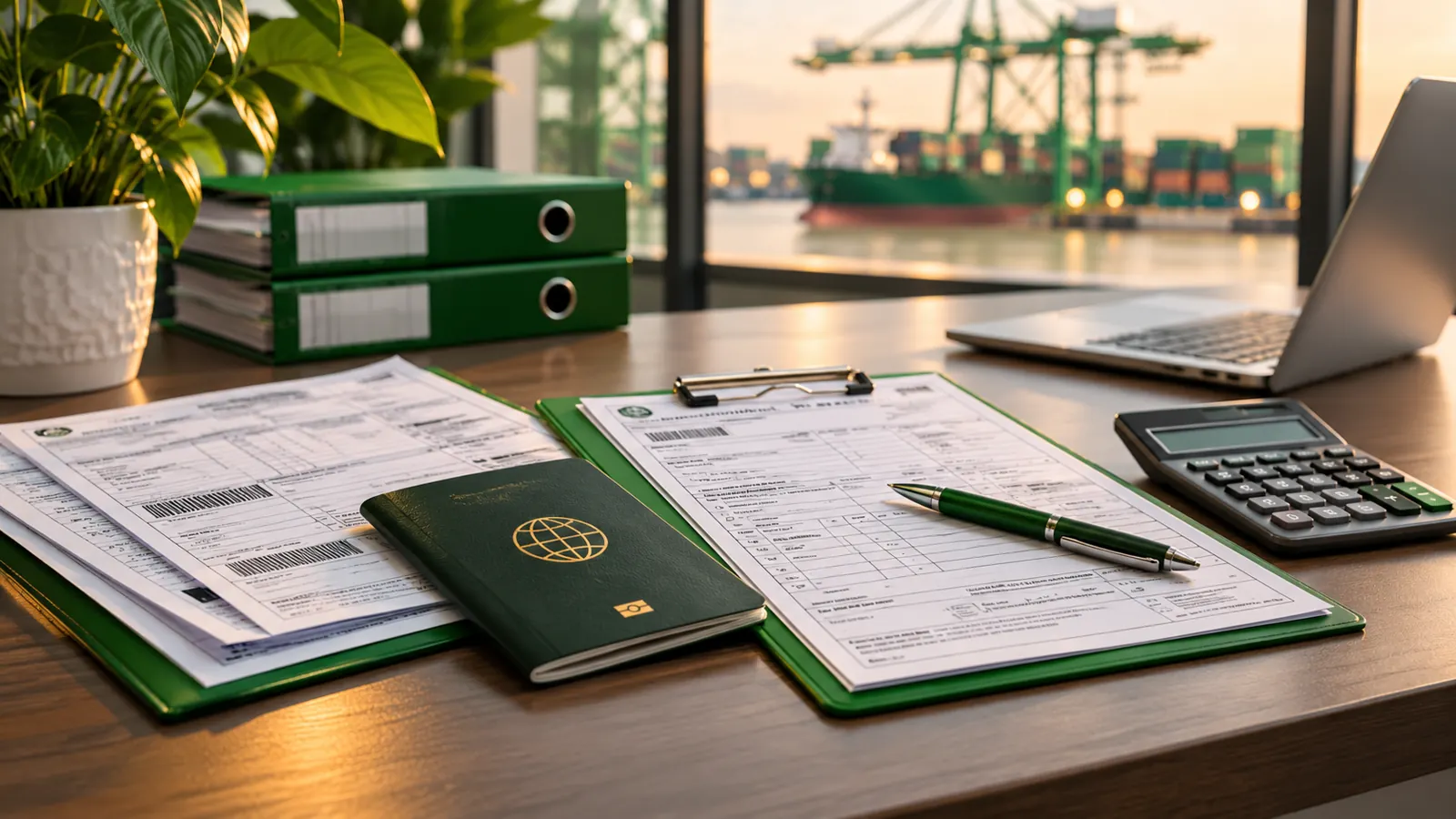
Step 2: Review documents
Available invoices, packing lists, waybills, permits and other records should be compared for consistency. Missing information is best identified before the goods reach the customs station. Keep confidential or identity documents out of the public quotation form.
Step 3: Determine the applicable customs procedure
Import and export consignments follow different procedures, and some commodities require additional regulatory approvals. An authorised clearing agent may prepare the declaration and supporting submission where required. The relevant authority—not the website—determines acceptance and assessment.
Step 4: Duties, taxes and fees
For imports, customs duties or taxes may be assessed based on classification, valuation, origin and law. Any professional service charge should be distinguished from statutory payments. Seek an itemised explanation instead of assuming one fixed clearing price covers every possible charge.
Step 5: Review, examination and release
Customs may accept the records, ask for clarification, inspect goods or require payment. Goods should only be regarded as cleared when the relevant official release has been granted. Conditions and timing vary by shipment.
Step 6: Keep records and follow through
Retain declaration details, official receipts, invoices and transport records. Tell the clearing contact if cargo or routes change. For future imports or exports, maintaining an accurate record of recurring products can make the next enquiry easier.
Step one: tell us what is moving
We begin with your cargo and route. Tell us whether it is an import or export, what the goods are, where they are coming from, where they are going and when they are expected to move. We will also ask whether you have an invoice, packing list and transport records.
Step two: prepare the right documents
We review the information shared and discuss any relevant missing documents, product-specific approvals or appointment requirements. The objective is to avoid starting a customs process using unclear shipment details.
Step three: follow the applicable customs procedure
Where a customs declaration is required, it must be submitted through the proper authorised process. The relevant authority may assess duties and taxes, request further information or carry out checks. We explain the difference between our enquiry stage and those formal customs decisions.
Step four: complete the required formalities
The release or onward movement of goods depends on completion of applicable formalities and any required official authorisation. We keep our conversations focused on the documentation and shipment facts needed to follow the process correctly.
Before a customs declaration is prepared
We start by identifying the cargo, its owner, the direction of trade and the proposed customs station. The invoice, transport details and product description establish the basic facts. For special goods, permits or additional certificates can be important.
We encourage customers to send this information before arrival where possible, because a late clarification may affect the shipment plan.
Why matching documents is important
The declaration needs to correspond with the actual goods. Compare invoice lines, packing quantities and transport records. If the supplier has listed a different product name in the packing list, ask for clarification.
For equipment, specifications and product descriptions can help determine the appropriate classification and supporting material.
Who assesses duties and grants release
The customs authority applies the relevant legal process to assess charges, conduct any required checks and decide on release. Clearing-service fees are separate from duties and taxes.
A payment acknowledgement or initial document submission should not be described as guaranteed cargo release; official intervention may still be required.
What customers can do after an enquiry
Keep copies of invoices, commercial records, declarations where available, payment documents and official correspondence. Respond promptly when accurate supporting details are requested.
If you are still preparing a shipment, our pre-arrival checklist and agent appointment guide help organise the next steps.
Official guidance and next steps
For current statutory procedures, refer directly to Zambia Revenue Authority guidance. Exporters should also check the Zambia Development Agency and the destination country’s rules.
ZRA customs guidance ↗ZRA agent appointment ↗ZDA export documentation ↗Let us help with your next shipment.
Share your shipment details with us and we will discuss the requirements and next steps.
Request a Clearing Quote →